

gen~|~|GvLmYpjGoY
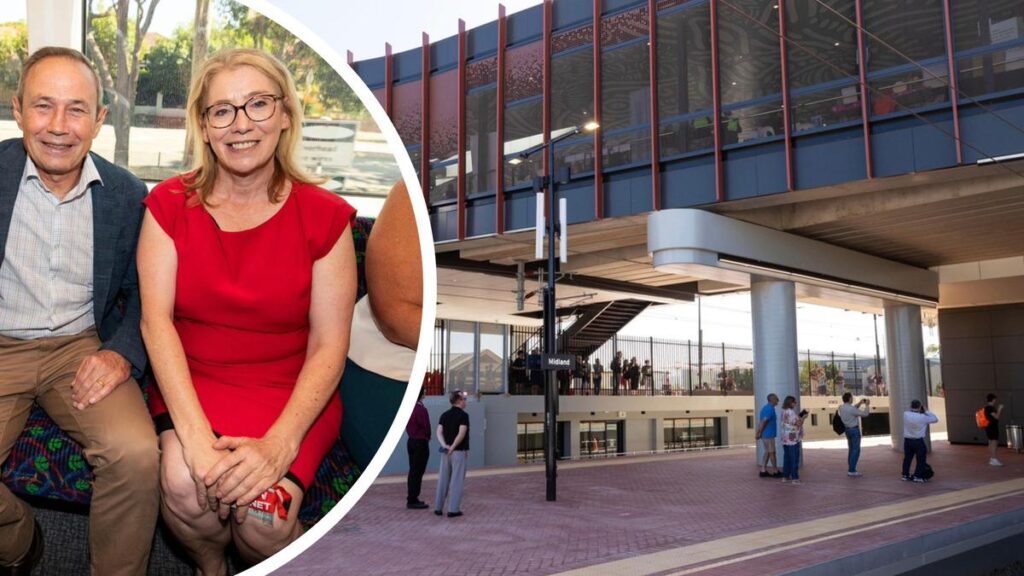
The new Midland train station in Perth officially opened on Sunday, marking a significant milestone in the completion of the Metronet project. This multi-billion-dollar infrastructure initiative, launched by the Labor government in 2017, aimed to enhance public transport in the region. While the opening of Midland station is a notable achievement, challenges remain concerning the operation of new trains and necessary upgrades across the network.
Metronet Achievements and Challenges
Among its accomplishments, Metronet has introduced 23 new train stations, expanded the rail network by 72 kilometres, and removed 15 level crossings. Premier Roger Cook emphasized at the opening ceremony that the project is about more than just transportation; it aims to transform how residents navigate their communities. “This is an incredible achievement,” Cook stated, highlighting the importance of providing access to schools, universities, and job opportunities.
Despite these advancements, Metronet has faced significant criticism due to budget overruns and delays. The extension of the Northern line from Butler to Yanchep was initially projected to cost $386 million, but the final expenditure skyrocketed to $1.37 billion by the time it opened in mid-2024. Overall, the total estimated cost of the Metronet program has exceeded $12.5 billion.
Deputy Premier Rita Saffioti defended the project, noting that it has been contentious and challenging over its nine-year duration. “This is a project that will deliver incredible infrastructure and opportunities,” she remarked. “I think when you see the genuine happiness of people who have been using this infrastructure, you see it’s all worth it.”
Future of New Train Fleet Uncertain
A key aspect of Metronet was the commitment to revive local rail car manufacturing, with the government ordering 41 C-Series trains from Alstom. Notably, at least 50 percent of the construction of these 246 rail cars is being conducted at a facility in Bellevue. Although the government had anticipated having 17 trains operational by 2023, by the end of last year, only eight trains had been delivered.
Furthermore, the new trains are facing compatibility issues within the existing network. Due to their length, the six-car trains can only operate on the Yanchep and Mandurah lines, as many older stations lack the necessary infrastructure to accommodate them. There is currently no timeline from the Cook government regarding when funding will be allocated to make the required upgrades, although Saffioti indicated that it is a priority.
“We’re looking at our key projects, for example, our rebuild at Royal Perth Hospital,” she noted, adding that improvements to train stations will be considered alongside new hospital infrastructure. “We really believe in making sure that we improve stations when we’re building things like major hospitals is very important.”
The Department of Transport has further ambitions for Metronet, including plans for a light rail network. Initial planning for this initiative began in 2017, with a submission to Infrastructure Australia for consideration in 2019. However, the government has since halted the project, stating that light rail will be reconsidered only after the current Metronet works are completed.
As the Midland station opens its doors, the future of public transport in Perth remains a topic of considerable discussion. While the Metronet project has made strides in enhancing infrastructure, operational challenges with the new train fleet and necessary upgrades continue to loom large.