




Recent scientific studies have shed light on the long-term effects of the Chernobyl disaster on children and explored innovative treatments for hair loss using light therapy. These findings highlight ongoing health challenges and advancements in medical technology.
Impact of Chernobyl on Future Generations
Research conducted by the **University of California, Los Angeles (UCLA)** has revealed alarming health implications for the so-called **Children of Chernobyl**. The study, published in March 2024, indicates that these individuals continue to face heightened risks of various health issues, including thyroid cancer and developmental disorders, due to radiation exposure from the catastrophic nuclear accident in 1986.
Data shows that children living in areas surrounding Chernobyl, particularly in **Ukraine**, experienced significant exposure to radioactive materials. The long-term effects of this exposure are now coming into sharper focus, as researchers analyze health outcomes for those affected over the decades. The findings underscore the necessity of ongoing health monitoring and support for these individuals, who are now adults grappling with the repercussions of their childhood environment.
Dr. **Anna Koroleva**, a leading researcher at UCLA, emphasized the importance of this research. “Understanding the health impacts on the Children of Chernobyl is crucial for developing effective interventions and support systems,” she stated. The study calls for increased funding and resources to assist in health monitoring and preventive care for these vulnerable populations.
Advancements in Hair Loss Treatments
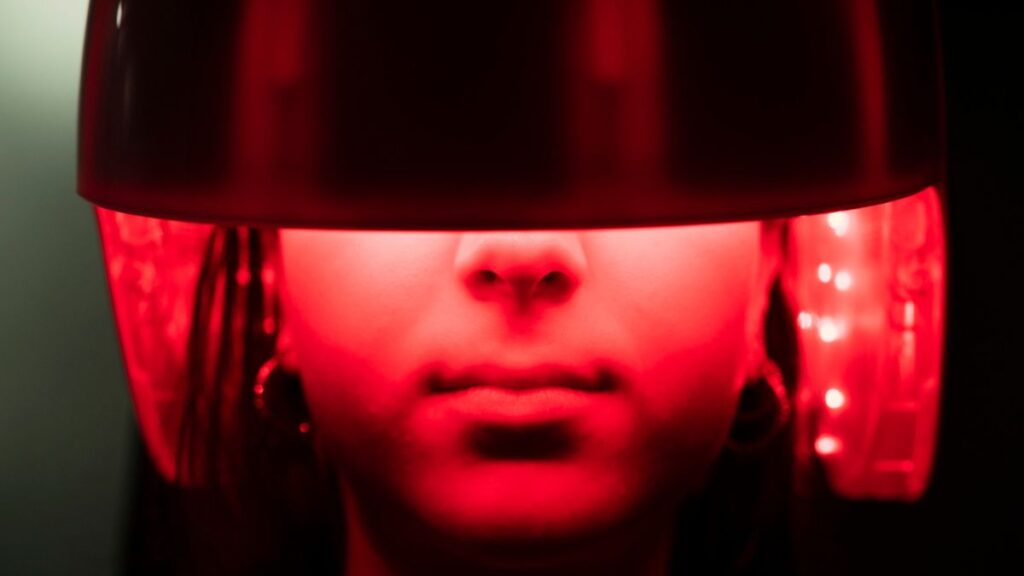
In a separate development, new research published by the **American Academy of Dermatology (AAD)** has validated the effectiveness of light therapy for treating hair loss. This innovative treatment utilizes specific wavelengths of light to stimulate hair follicles, promoting hair growth in individuals suffering from conditions such as androgenetic alopecia.
Clinical trials demonstrated that **80%** of participants experienced noticeable hair regrowth after a series of light therapy sessions. The treatment, which is non-invasive and generally well-tolerated, offers hope to millions struggling with hair loss. The AAD’s findings suggest that light therapy could become a mainstream option for those seeking alternatives to traditional hair restoration methods.
Dr. **Michael Thompson**, a dermatologist involved in the study, remarked, “This advancement represents a significant step forward in how we approach hair loss. Our findings indicate that light therapy could be a safe and effective option for many patients.”
These two studies reflect the ongoing evolution of medical research, addressing both historical health crises and contemporary medical challenges. As scientists continue to uncover the impacts of past events like Chernobyl, they also pave the way for innovative treatments that can enhance quality of life for individuals facing health issues today.
The intersection of historical study and modern medical advancements highlights the importance of ongoing research and the need for a robust healthcare system that can adapt to both current and future health challenges.