


Porsche experienced a significant decline in global sales for 2025, with figures revealing a drop of 10 percent compared to the previous year. The luxury sports car manufacturer sold 279,449 vehicles in 2025, down from 310,718 units in 2024. This downturn follows a record sales year in 2023, when Porsche achieved its highest figures ever at 320,221 units. The sales slump, coupled with decreasing profitability, presents new CEO Michael Leiters with considerable challenges as he begins his tenure.
Sales Breakdown by Model
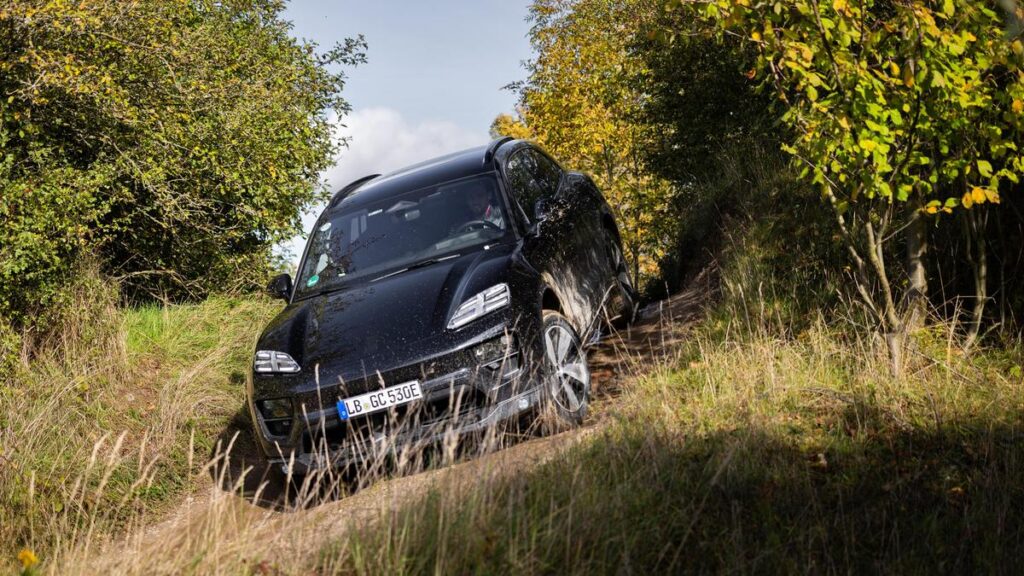
The Macan emerged as Porsche’s best-selling model in 2025, recording 84,328 units sold. Notably, the second-generation electric Macan contributed 45,367 units, accounting for approximately 53.8 percent of total Macan sales. While this model is exclusively electric in many markets, including Europe and Australia, the petrol-powered first-generation Macan remains available in certain regions, such as the United States.
Despite the overall sales decline, the Macan and the iconic 911 were the only models to see small increases in sales. In contrast, the Cayenne, which had recently been Porsche’s top-selling model, lost its crown in 2025. The drop is attributed to “catch-up effects from the previous year.” Production of the 718 Boxster/Cayman ended in October 2025, ahead of the expected launch of its electric replacement.
Sales of the Taycan also fell, largely due to a slowdown in the adoption of electric vehicles. Overall, Porsche reported that 22.2 percent of its sales were electric vehicles, while 12.1 percent were plug-in hybrids. This means that electrified vehicles represented 34.4 percent of total sales, marking an increase of 7.4 percent from the previous year. In Europe, approximately one-third of all Porsches sold were electric, with electrified vehicles accounting for 57.9 percent of sales in the region.
Regional Performance and Market Challenges
While overall sales declined, Porsche’s performance in North America remained relatively stable, with a drop of only 312 units. The category known as “Overseas and Emerging Markets,” which includes Australia and primarily consists of the Middle East, showed resilience as well, with sales down just 559 units.
In Australia, according to VFACTS data, sales fell by 27 percent to 5,133 units. All model lines, except for the Panamera (which rose 24.2 percent to 82 units), experienced declines. The Macan remained the most sought-after model in Australia with 2,194 units sold, a decrease of 34 percent. The 911 followed as the second most popular model, with 724 units sold, down 7.5 percent.
In Europe and Germany, Porsche attributed a 13 percent and 16 percent fall in sales to the conclusion of 718 Boxster/Cayman production and the gap between the launch of the electric Macan and the discontinuation of the first-generation model due to EU cybersecurity regulations.
In China, Porsche’s sales were particularly concerning, declining by 26 percent. The company cited “challenging market conditions” in the luxury sector and “intense competition” in the electric vehicle space as contributing factors. Additionally, Porsche’s commitment to a “value-oriented sales” strategy, which emphasizes maintaining prices without significant discounting, may hinder sales growth in China and other regions.
Porsche’s current situation reflects a complex interplay of market dynamics, shifting consumer preferences, and internal strategy adjustments as the brand navigates its future in a rapidly evolving automotive landscape.