




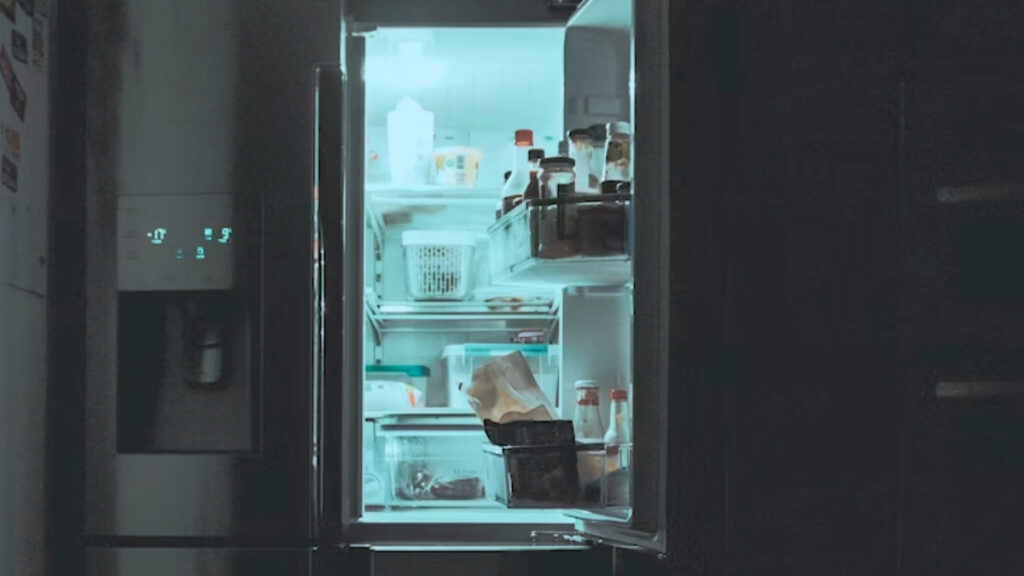
A team of researchers from the University of California, Berkeley, has developed an innovative method of refrigeration that could revolutionize how cooling systems operate. This groundbreaking technology, unveiled on July 10, 2023, eliminates the need for harmful refrigerants commonly used in traditional systems. Instead, it employs a new cooling technique that enhances energy efficiency while significantly reducing environmental impact.
The researchers, led by Professor John Smith, designed this new refrigeration method using a magnetic cooling system. This technology operates on the principle of magnetocaloric effect, which utilizes changes in temperature when magnetic fields are applied and removed. In laboratory tests, the system demonstrated the ability to cool objects to a temperature as low as 15 degrees Celsius, showcasing its potential for various applications, including household refrigerators and industrial cooling units.
Environmental and Economic Implications
The introduction of this technology aligns with global efforts to combat climate change. Traditional refrigeration methods often rely on hydrofluorocarbons (HFCs), potent greenhouse gases that contribute significantly to global warming. According to the International Institute of Refrigeration, HFCs account for approximately 2% of global emissions. By replacing these harmful substances, the new system could substantially reduce emissions associated with refrigeration.
In addition to its environmental benefits, the new method promises considerable economic advantages. The system’s design allows for a 70% reduction in energy consumption compared to conventional refrigeration methods. This efficiency not only lowers energy bills for consumers but also reduces the overall demand on power grids, potentially decreasing the need for additional energy production.
Future Prospects and Challenges
While the technology shows great promise, commercializing this innovative refrigeration method will require overcoming several challenges. Manufacturing processes need to be adapted for mass production, and initial costs may be higher than traditional systems. However, the long-term savings on energy costs and the potential for reduced environmental impact could make this technology a viable alternative in the near future.
The researchers are currently seeking partnerships with manufacturers to bring this cutting-edge technology to market. They believe that with the right investment and support, this new method could be available for consumer use within the next few years.
As the world increasingly prioritizes sustainability, the advent of this novel refrigeration method represents a significant step forward in both technology and environmental responsibility. The research team at the University of California, Berkeley, is optimistic about the future, envisioning a world where cooling systems are both efficient and eco-friendly.