


UPDATE: A coalition of activists has declared their intention to defy a controversial protest ban imposed by NSW Police, insisting they will continue to organize rallies in protest of what they claim is an unconstitutional law. This urgent situation follows the tragic events of December, when a terrorist attack at Bondi Beach claimed the lives of 15 innocent people, prompting police to restrict public gatherings in key parts of Sydney.
The police ban, originally set for a fortnight, has been extended due to what NSW Police Commissioner Mal Lanyon describes as heightened community tension. Activists, including the Blak Caucus, Palestine Action Group, and Jews Against the Occupation ’48, are now challenging this legislation in the NSW Supreme Court, arguing it unjustly infringes on their right to freedom of speech.
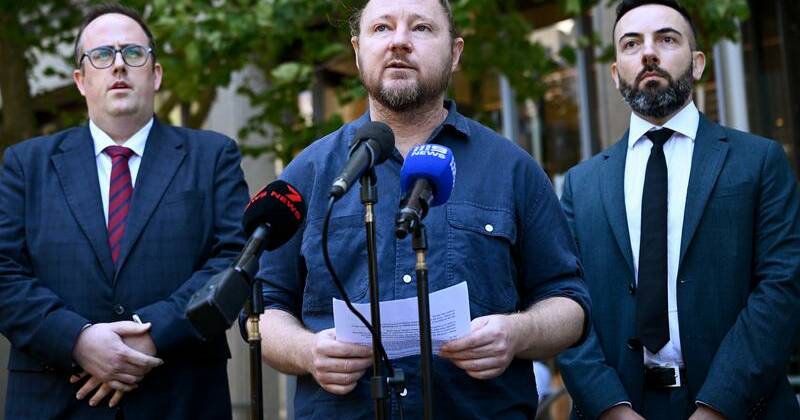
“We will not stand for this. We will fight this in the courts … and we will continue to fight it on the streets,” said Josh Lees, spokesperson for the Palestine Action Group. He emphasized the importance of public participation, stating, “We urge everyone to continue to come out to the streets in huge numbers in the coming weeks.”
Four major protests are already scheduled for January, including a rally marking the 10th anniversary of David Dungay Jr.’s death on January 10 and the annual Invasion Day march on January 26. Activists are also rallying against the anticipated visit of Israeli President Isaac Herzog.
The urgency of the legal challenge was underscored by barrister Hilbert Chiu SC, who expressed the need for a swift resolution given the looming protests. Justice Julia Lonergan acknowledged the time-sensitive nature of the case but noted that a comprehensive legal response from other states was necessary, pointing out potential participants who could intervene in the matter.
As the court prepares for a hearing on January 29, just days after the current ban is set to expire, the situation remains tense. NSW Premier Chris Minns previously voiced confidence that the laws would withstand constitutional scrutiny, stating, “We’re alive to the threat.”
Despite the ban, unauthorized protests have already occurred, including one that condemned recent US strikes on Venezuela. However, participants in these gatherings face the risk of arrest for obstructing traffic or pedestrians. Police have the authority to issue move-on directions, even to those engaged in peaceful static assemblies, a point critics argue creates a chilling effect on free expression.
Commissioner Lanyon reiterated the police stance, asserting, “This is not about stopping free speech. It’s about saying: this is not a time for protest; this is not a time for taking action. It’s about the community seeking peace.”
As community tensions mount and the legal battle unfolds, the outcomes of these protests and court actions could redefine the landscape of public assembly rights in Australia. Activists remain steadfast in their resolve, urging widespread participation to safeguard their democratic rights.
Stay tuned for further updates as this developing story unfolds.