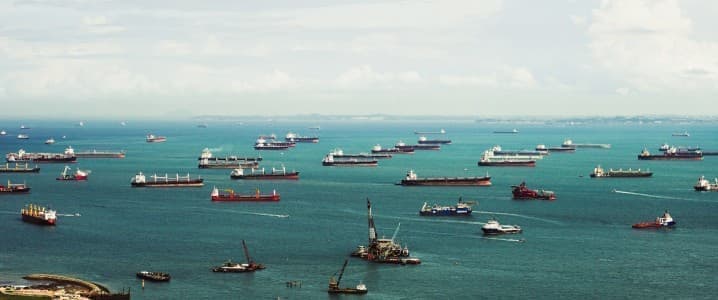


Saudi Aramco, the world’s leading crude oil exporter, has issued a stark warning regarding the potential impact of ongoing disruptions to tanker traffic in the Strait of Hormuz. During a recent earnings call, Amin Nasser, Aramco’s chief executive, stated that a prolonged halt in oil shipments through this critical maritime passage could lead to “catastrophic consequences” for global oil markets and the broader economy.
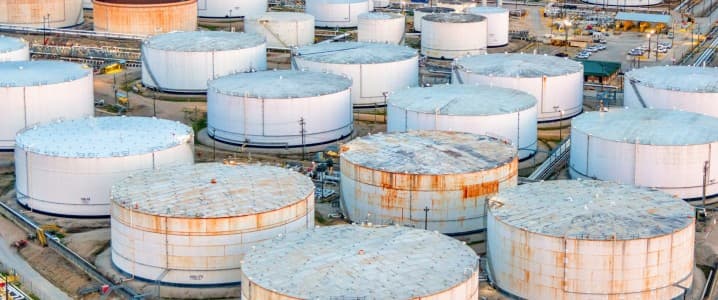
According to Nasser, the oil market is already feeling the strain, with global inventories at their lowest levels in five years. He highlighted that the continued disruption would accelerate the depletion of these inventories, leading to severe repercussions not only in the energy sector but also extending to industries such as agriculture, aviation, and automotive.
Qatar, recognized as the world’s second-largest exporter of liquefied natural gas (LNG), echoed these sentiments, predicting that oil prices could soar to as high as $150 per barrel if the situation in the Strait of Hormuz remains unresolved for an additional two to three weeks. This forecast underscores the escalating urgency of the crisis, which could have widespread implications for economies reliant on stable oil prices.
In response to the ongoing situation, Aramco has reportedly begun reducing oil production at two of its fields, as the disruption around the Strait of Hormuz begins to impede crude exports from the Gulf region. Saudi Arabia does possess some capacity to redirect oil exports through its east-west pipeline network to the Red Sea port of Yanbu, potentially bypassing the Strait of Hormuz. Nevertheless, the volumes that can be transmitted via this pipeline are significantly lower than the crude flows currently affected by the strait’s closure.
The geopolitical landscape surrounding this crisis has intensified, with Iran asserting that “not a litre” of oil will be exported from the Middle East until the United States and Israel cease their military actions. This strong statement was made in the context of U.S. President Donald Trump‘s remarks suggesting that the conflict in the region would end “very soon.” A spokesman for the Islamic Revolutionary Guards Corps emphasized that the authority to determine the war’s conclusion rests with Iran and its allies.
As the situation develops, the potential for significant disruptions to the global oil supply remains a critical concern, with far-reaching impacts anticipated across multiple sectors. The international community will be closely monitoring developments in the Strait of Hormuz, a vital chokepoint through which approximately one-fifth of the world’s oil supply is transported. The outcome of this crisis could reshape the landscape of global energy markets and highlight the delicate balance of geopolitical relations in the region.