


UPDATE: A legal challenge against a controversial protest ban in New South Wales is rapidly evolving, potentially involving additional states and territories. Just days after NSW Police imposed the ban following a terrorist attack that left 15 dead at Bondi Beach in December, a coalition of activist groups is fighting back in court.
The NSW Supreme Court heard the initial arguments on Thursday, as the clock ticks down to January 20, when the current protest ban is set to expire. Legal representatives from the Blak Caucus, Palestine Action Group, and Jews Against the Occupation ’48 argue that the law infringing on the right to protest could be unconstitutional and demands urgent attention.
Justice Julia Lonergan acknowledged the tight schedule proposed by the activist groups and the government, cautioning that it may not allow sufficient time for other states to respond to the constitutional matter. “There’s no opportunity for people seeking to intervene to appear,” noted Justice Lonergan, highlighting the potential for significant implications beyond New South Wales.
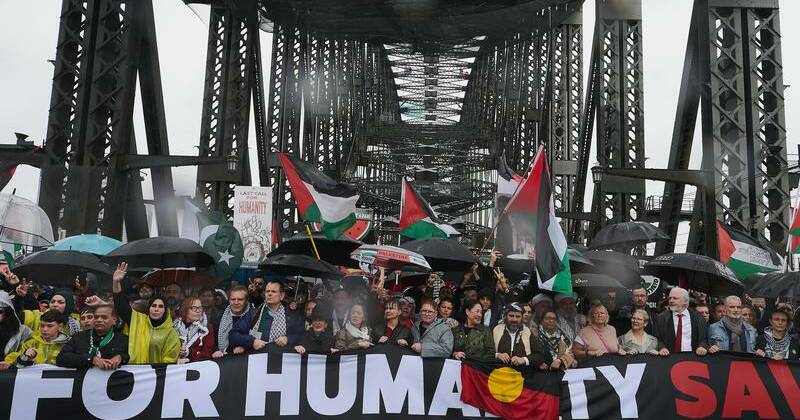
The court is set to address the matter further on January 29, just days after the expiration of the current ban, which has created a tense atmosphere for planned protests. Activists are gearing up for significant events, including a rally on January 26 to mark the 10th anniversary of the death of Indigenous man David Dungay Jr. in custody, as well as the annual Invasion Day protest.
Hilbert Chiu SC, representing the activist groups, expressed a sense of urgency, stating that the ongoing legal dispute is critical due to the upcoming protests. The Palestine Action Group emphasized on social media that the protest ban undermines the freedom of assembly, stating, “Our collective voices will not be silenced by the Minns government.”
Despite the ban, unauthorized rallies have taken place, including protests against US strikes on Venezuela, but participants risk arrest for obstructing traffic. Critics argue the police’s ability to issue move-on directions exacerbates fears and stifles public action.
NSW Police Commissioner Mal Lanyon extended the ban for an additional two weeks on Tuesday, citing community safety concerns. “This is not about stopping free speech,” he insisted. “It’s about saying: this is not a time for protest; it’s about the community seeking peace.”
NSW Premier Chris Minns has backed the police’s actions, labeling them “absolutely essential in keeping order and peace” after the tragic events in December. The implications of this legal challenge are significant, not only for New South Wales but potentially for protest laws across Australia.
As the legal battle unfolds, observers are keenly watching for how it may reshape civil liberties and public assembly rights nationwide. Stay tuned for updates as this developing story progresses.