

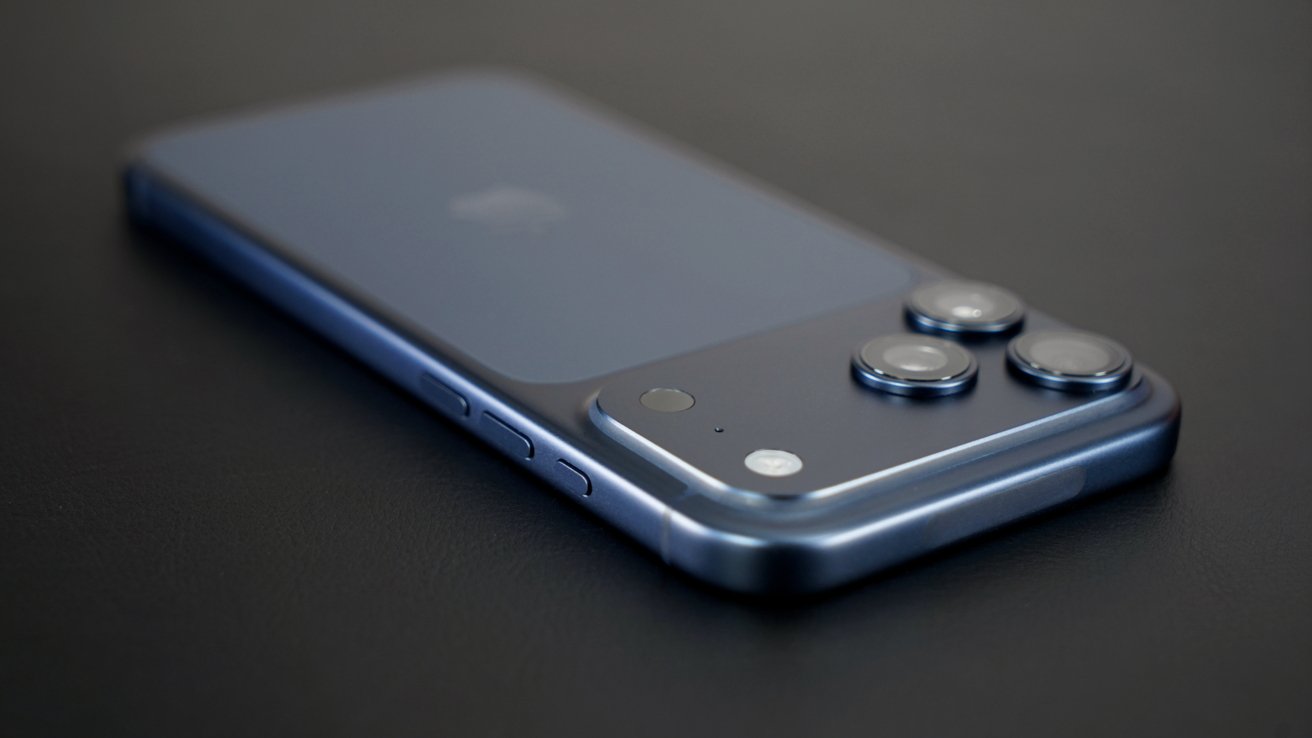
NASA has officially approved astronauts to bring their personal iPhones on two upcoming space missions, marking a significant shift in its policies regarding personal devices in space. This decision allows Crew-12 and Artemis II astronauts to document their journeys using their own smartphones, which could enhance the way they share their experiences with the public.
In a statement released on February 4, 2024, NASA Administrator Jared Isaacman announced the exciting news on social media platform X, just before 23:00 ET. The initiative reflects NASA’s commitment to modernizing its approach and embracing technology that astronauts are familiar with.
The use of personal smartphones, particularly iPhones, aligns with a broader trend of integrating personal technology in various professional settings. Astronauts will now have the ability to capture high-quality images and videos during their missions, enriching the narrative of space exploration. This move is expected to provide audiences on Earth with a more personal glimpse into the astronauts’ experiences beyond our planet.
While NASA has long maintained strict regulations regarding what can be taken into space, the approval of personal iPhones indicates a willingness to adapt to the changing technological landscape. Astronauts have previously relied on specific cameras and equipment provided by NASA, but the inclusion of personal devices could lead to innovative storytelling and outreach opportunities.
The Crew-12 mission, which is part of NASA’s ongoing efforts to return humans to the Moon and eventually to Mars, will be one of the first to benefit from this new policy. The Artemis II mission, aimed at furthering lunar exploration, is also set to include this personal technology, highlighting the agency’s focus on enhancing astronaut engagement with the public.
This decision is not without its considerations. NASA’s approval includes guidelines to ensure that the use of personal devices does not interfere with mission protocols or safety measures. Astronauts will need to adhere to specific requirements regarding the functionality and use of their iPhones during spaceflights.
By allowing astronauts to use their own iPhones, NASA is opening a new chapter in human spaceflight, promoting not only personal expression but also a greater connection between astronauts and audiences on Earth. As the space agency continues to push the boundaries of exploration, this move underscores a commitment to innovation and accessibility in sharing the wonders of space travel.
The integration of personal technology into space missions represents a significant step forward, one that could redefine how future missions are documented and shared with the world. As the countdown to these missions begins, the prospect of seeing space through the eyes of the astronauts themselves is an exciting development for space enthusiasts and the general public alike.