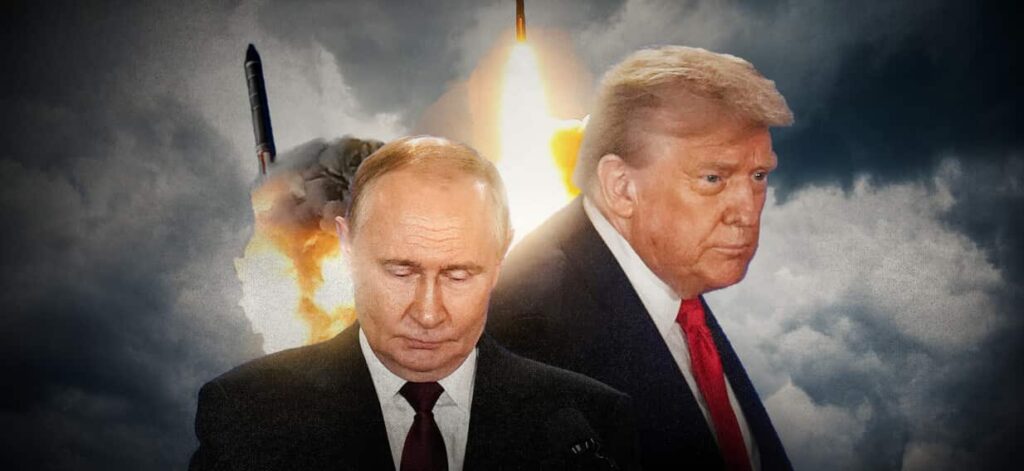
The expiration of a significant arms control treaty between the United States and Russia has raised alarms about global security and the potential for escalating tensions. The Strategic Arms Reduction Treaty (START), which has been a cornerstone of nuclear arms control since it was first signed in 1991, officially lapsed on March 5, 2024. Experts are now warning that this marks “the end of an era” in international arms control efforts.
With the treaty expired, both countries are no longer bound by its limitations on nuclear arsenals. The START treaty aimed to reduce the number of deployed strategic nuclear warheads and established a framework for inspections and verification. Its dissolution leaves a significant vacuum in diplomatic measures intended to prevent nuclear proliferation, and experts are questioning the implications for global stability.
Global Reactions to Treaty Expiration
Reactions from various organizations and officials have highlighted the seriousness of the situation. The Arms Control Association described the treaty’s expiration as a “critical turning point” for international security, emphasizing the need for renewed dialogue between the two nations. The organization cautioned that without a formal agreement, the risk of a nuclear arms race could increase dramatically.
The United Nations has called for immediate discussions to address the fallout from the treaty’s expiration. In a statement, UN Secretary-General António Guterres noted that the world is now facing heightened risks of conflict due to the absence of established arms control measures. He urged both powers to return to the negotiating table to explore new frameworks that could replace the START treaty.
NATO has expressed similar concerns. The alliance’s spokesperson indicated that the lack of a formal agreement could exacerbate security dilemmas in Europe and beyond. The expiration of START raises fundamental questions about the future of nuclear deterrence strategies as both nations might seek to expand their arsenals without restrictions.
The Path Forward for Arms Control
As experts analyze the implications of this development, discussions about alternative frameworks have begun. There is a growing consensus that new treaties will be necessary to manage the complexities of modern nuclear arsenals. The existing Nuclear Non-Proliferation Treaty (NPT) could be updated to reflect current geopolitical realities, ensuring that it addresses the challenges posed by emerging technologies and regional conflicts.
Despite the challenges, there are voices advocating for renewed efforts in arms control. Some analysts suggest that diplomatic initiatives should prioritize confidence-building measures and transparency between the two countries. By fostering dialogue, both the US and Russia can work towards establishing a new framework that not only addresses nuclear arms but also encompasses broader security concerns.
The potential for increased military spending and arms development in the absence of a treaty poses a grave threat to global security. With the world on edge, the focus now shifts to whether the US and Russia can find common ground to prevent a descent into a new arms race that could destabilize international relations for years to come.