




BREAKING: A court in Brisbane is currently hearing a pivotal case challenging the Queensland government’s recent directive to ban gender-affirming care for youth. The urgent hearing, which unfolded on Wednesday, has revealed shocking details about the short consultation time provided to health service providers before this controversial decision.
The court was informed that health providers were given only 21 minutes to discuss a directive that would restrict treatments for young trans individuals. This meeting, held on January 28, was described by officials as a form of “consultation,” but critics argue it failed to meet legal requirements for adequate stakeholder engagement.
At the center of this legal battle is the testimony of Dr. David Rosengren, the chief executive of Queensland Health. He is defending the ban against a case brought forth by the parent of a trans child, whose identity remains confidential due to legal protections. The family contends that the government acted unlawfully and neglected essential procedural steps, asserting that the director-general acted under cabinet pressure without proper consultation.
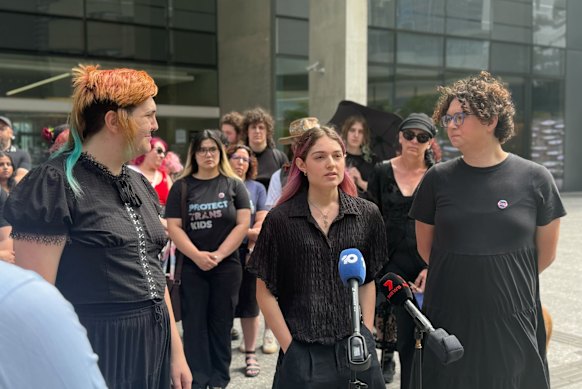
The implications of this case are profound. Outside the court, supporters rallied in solidarity with the family, emphasizing the emotional and psychological impact of denying gender-affirming care for young people. These treatments are critical for trans youth, and the government’s abrupt decision has sparked outrage among advocates for LGBTQ+ rights.
During the proceedings, it was revealed that health stakeholders were notified just one day in advance about a Microsoft Teams meeting scheduled for 10 a.m. on January 28. Dr. Rosengren issued the directive at 10:30 a.m., shortly after Health Minister Tim Nicholls held a press conference at 10:06 a.m. to announce the ban, even as discussions about its implications were still underway.
Counsel for Queensland Health, Jonathan Horton KC, admitted that the consultation process was “abbreviated” but asserted that it satisfied statutory requirements. Under the Hospital and Health Boards Act 2011, the chief executive must consult with affected services when developing health directives, allowing providers to voice any concerns or objectives.
As this case unfolds, the future of gender-affirming care in Queensland hangs in the balance. The court’s decision could set a significant precedent for similar policies across Australia and influence ongoing debates about healthcare access for marginalized communities.
The ruling is expected soon, and stakeholders urge the public to stay tuned as this crucial issue continues to develop. The emotional stakes are high, not just for the families involved, but for the broader community advocating for the rights and health of trans youth across the nation.
Stay informed as we provide updates on this urgent legal matter that impacts the lives of many young Queenslanders.
