




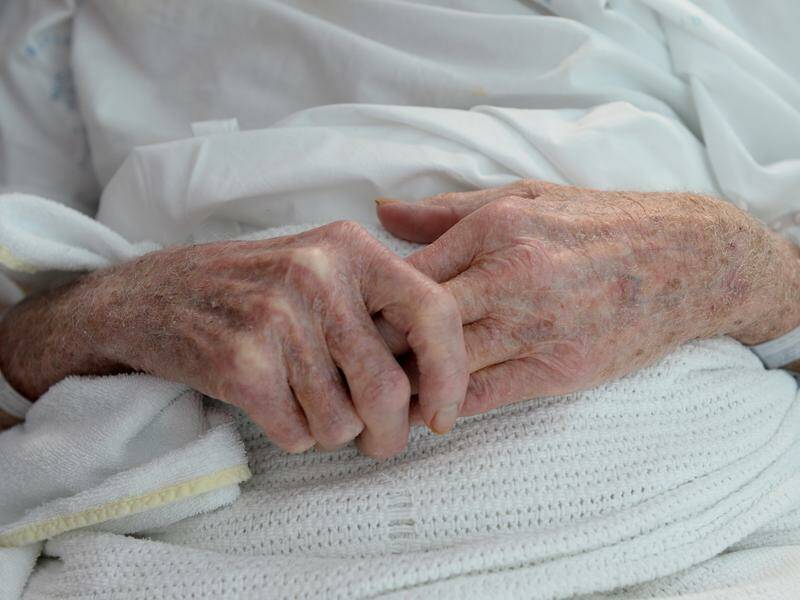
UPDATE: More than 3,000 elderly Australians are currently trapped in hospital beds, unable to transition to aged care facilities, as state and territory health ministers have rejected a vital funding deal from the federal government. This alarming situation comes amidst rising pressures on Australia’s strained public hospital system, revealing urgent needs for reform and action.
Just moments ago, health ministers announced their refusal to accept the latest proposal aimed at bolstering the country’s overwhelmed hospitals. Queensland Health Minister Tim Nicholls, who previously criticized Prime Minister Anthony Albanese over funding, opted for a more diplomatic tone today, stating, “We do want to negotiate, and we’re very happy to talk to the Commonwealth.” The ministers remain committed to discussions following a meeting with federal Health Minister Mark Butler on Friday.
Minister Butler expressed his urgency, warning that time is running out to secure a deal. “If we haven’t struck a deal before the South Australian government enters caretaker mode in late February, it will complicate new funding arrangements due by July 1,” he stated.
Ministers are holding firm on a significant funding demand: an increase of the federal government’s share of hospital funding to 42.5 percent by 2030 and 45 percent by 2035. Butler acknowledged the ongoing pressure in both the aged care and hospital systems, highlighting how the oldest Baby Boomers have turned 80 this year, signaling a spike in demand for aged care services.
Meanwhile, discussions continue behind closed doors, with all parties expressing a desire to strike a deal swiftly. “Everyone’s doing their darnedest to come to an agreement as quickly as we can,” Butler added, indicating a collaborative spirit despite the political tension.
Additionally, Prime Minister Albanese recently offered a $1 billion top-up to the already proposed $20 billion funding plan, which includes $2 billion specifically earmarked for addressing the issue of elderly patients remaining in hospitals longer than necessary. However, state leaders argue that this financial package is still tens of billions short of what is required to adequately support the healthcare system.
The Northern Territory’s Health Minister Steve Edgington lamented that the territory receives the lowest health funding contribution rate in the country at just 31.8 percent, emphasizing the need for equitable funding to improve patient care. “Hitting even the national average would mean another $200 million for territory patients,” he stated.
The Australian Medical Association has voiced concerns that patients are suffering as a result of this funding impasse. President Danielle McMullen warned, “This failure condemns Australian patients to longer waits, greater suffering and worsening access to care due to inadequate funding and government inaction.”
As the clock ticks down towards critical decision deadlines, the impact of this funding crisis on Australia’s elderly population cannot be overstated. With 1 in 10 public hospital beds occupied by patients waiting for alternative aged care accommodations, the urgency of the situation is palpable.
The coming weeks will be crucial for negotiations as stakeholders strive to find a resolution that addresses the pressing needs of both the hospital and aged care systems. Stay tuned for further developments as this story evolves.
