




UPDATE: A dramatic shift is underway in New South Wales as more students are leaving public schools for private education, marking the largest enrollment drop in over a decade. This urgent trend is raising alarms among parents and educators alike, as nearly 7,000 students exited the public system last year alone.
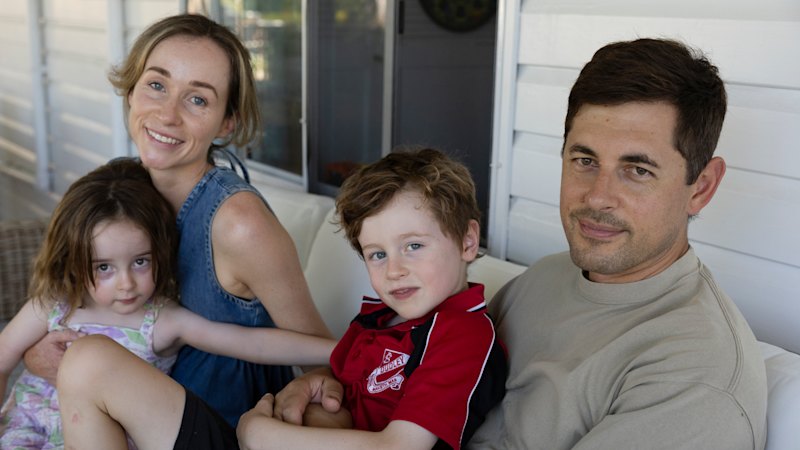
Parents like Sarah Peddie-McGuirk, a public school graduate, are feeling the pressure. After noticing students in years 3 and 4 leaving Dudley Public School for Catholic schools, she realized that many families are acting quickly to secure spots in competitive high schools. “You feel a lot of pressure,” she stated, emphasizing the need for proactive planning for her son, Henry.
The NSW Education Department recently reported that public school enrollment has reached a historic low, prompting concerns about the future of public education. Analysts warn that if current trends continue, there may soon be more high school students in private institutions than in public ones.
Research indicates that the exodus from public schools is fueled by “residualisation,” a phenomenon where disadvantaged students remain in under-resourced schools as wealthier families opt for private options. According to Professor Glenn Savage from the University of Melbourne, this systemic issue exacerbates inequities in education and risks leaving public schools with concentrated disadvantage.
The ramifications are significant. Students attending schools with high concentrations of disadvantage are often less likely to achieve academically compared to peers in more affluent environments. This disparity not only affects student performance but also impacts teacher retention in schools that serve high-needs populations.
As the NSW Education Minister Prue Car addressed educators at The Sydney Morning Herald Schools Summit, she highlighted the urgent need for reform. “In some parts of Sydney, there simply were no public schools,” she stated, underlining the critical lack of options available to parents seeking quality education for their children.
To combat this alarming trend, the NSW government has announced a historic funding boost of 4.8 billion AUD over the next decade aimed at revitalizing public schools. Initiatives like the Inspire program, designed to enhance gifted education access, are part of efforts to attract families back to public education.
However, experts caution that transforming perceptions and outcomes will take time. Former public school principal Chris Bonnor remarked that despite increased funding, systemic disparities remain entrenched, making it difficult to compete with private institutions that benefit from dual funding sources.
“It is not very Australian. It means we are not serving everyone in Australia,”
warned Denise Lofts, president of the NSW Secondary Principals’ Council, stressing the societal implications of continued enrollment declines.
Meanwhile, independent researcher Barbara Preston pointed out that communities are already witnessing the consequences of declining enrollments, with some public schools having closed due to insufficient numbers. “There’s a lot of communities where public schools have lost so many enrolments to the private sector that they have closed down,” she explained.
As public schools grapple with these challenges, parents across NSW are urged to stay informed about educational options available to their children. With the landscape of education rapidly changing, the need for effective communication from public institutions is more critical than ever.
This developing situation demands immediate attention as families navigate the complexities of school choice in an increasingly divided educational environment. As pressure mounts, the future of public education in New South Wales hangs in the balance.
