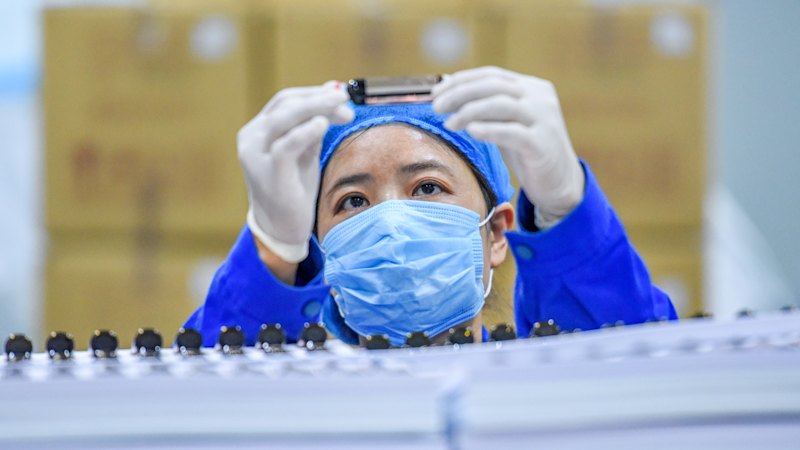
Sales of unregulated peptides have surged in recent months, as Chinese traders exploit a growing demand for these compounds in Western markets. Peptides, which are short chains of amino acids, are marketed online for a range of benefits, from enhancing sleep and memory to improving skin elasticity. The increasing popularity of peptide-based therapies, particularly following the success of GLP-1 weight-loss drugs like semaglutide and tirzepatide, has created a burgeoning black market.
The appeal of these peptides is partly due to their perceived potential to offer better health outcomes with fewer side effects than traditional pharmaceuticals. Many of the products available online, however, are either banned for human use by regulators, including the US Food and Drug Administration, or priced prohibitively through legitimate channels. This has led to a significant shift toward online sellers, particularly those based in China.
Emergence of a Shadow Economy
According to interviews with multiple sellers and a review by the Financial Times, hundreds of traders in China have established operations to export low-cost peptides to Western consumers. These operations form a secretive, unregulated economy that has flourished in response to rising global demand. One seller, who wished to remain anonymous due to the illegality of selling unprescribed peptides, stated, “I used to sell paper, but business was bad because of the weak economy. I heard from friends that there are people in Shenzhen selling peptides overseas who made tons of money.”
The rise of online influencers has also played a crucial role in popularizing peptides. Influencers promote various compounds such as BPC-157, often referred to as the “wolverine drug” for its alleged healing properties, and Pinealon, which is marketed for sleep enhancement. Despite the lack of regulatory approval for many of these substances, younger consumers, particularly from Generation Z, are embracing their use.
Risks and Contamination Concerns
Estimates suggest there are approximately 1,000 Chinese sellers targeting overseas buyers, with this number increasing sharply. As competition intensifies, prices for these peptides have dropped significantly. Sellers report prices around USD 65 for 10 vials of BPC-157 at 10 milligrams, compared to USD 110 and USD 1,000 for similar quantities on US websites. Customers typically receive peptides in powder form, which they then dilute before injecting.
The supply chain for these peptides is notably concentrated, with most products manufactured by around a dozen factories located in Shenzhen and Changsha. Originally producing active pharmaceutical ingredients, these factories have pivoted to cater to the grey market. Sellers operate with a degree of opacity, often claiming not to know who produces the products they sell.
Medical professionals express concern about the implications of sourcing drugs from unregulated suppliers. While sellers may provide lab reports claiming high purity, these tests frequently do not assess contaminants such as heavy metals or verify proper handling and storage conditions. Dr. Mohammad Enayat, who operates a longevity clinic in London, cautioned, “If you’re buying peptides online without a prescription, you don’t know whether there are issues with purity, contamination or transport.”
As the demand for these substances continues to grow, Chinese authorities have intensified their crackdown on domestic sales of unregulated GLP-1 weight-loss drugs, resulting in the arrests of numerous sellers. Court records indicate at least 40 cases of individuals charged with black-market peptide sales, with fines potentially reaching up to ten times the revenue generated.
In one instance, a group of young women in China was observed interacting with customers in Brazil, the US, and Canada, utilizing AI tools to draft sales messages. Transactions often begin with payments via PayPal before shifting to cryptocurrencies to evade transaction limits imposed on Chinese businesses.
Despite the proliferation of sellers, many indicate they would not use these peptides themselves. One seller admitted, “I’m overweight, but I wouldn’t dare take these drugs. It’s Westerners who are obsessed with them. I just sell them.” The complexities of this evolving market illustrate both the allure and risks associated with unregulated peptide use in the pursuit of enhanced health and wellness.