Tensions escalated dramatically in the Middle East following the sinking of an Iranian warship by the United States Navy, which resulted in the deaths of at least 87 Iranian sailors. The incident occurred on the evening of October 3, 2023, in the Indian Ocean and was described by Iranian Foreign Minister Abbas Araghchi as “an atrocity at sea.” He condemned the action, stating on social media that the frigate Dena, carrying nearly 130 sailors, was struck in international waters without warning.
In response to the sinking, Iran issued a stern warning to the United States. Araghchi asserted, “Mark my words: The US will come to bitterly regret (the) precedent it has set.” The Iranian government, grappling with the fallout from this military engagement, has taken a hardline stance. Ayatollah Abdollah Javadi Amoli, a senior cleric, characterized the current situation as “on the verge of a great test” and called for violence against the United States and its allies.
The conflict has expanded significantly since it began on September 30, 2023, when the US and Israel initiated military operations targeting Iran’s leadership, missile arsenals, and nuclear facilities. The Israeli military reported a wave of airstrikes aimed at the Iranian-backed militant group Hezbollah in Lebanon, while also conducting operations in Tehran. Explosions were confirmed in multiple locations within the Iranian capital shortly thereafter.
The military actions have led to widespread unrest and significant casualties. Reports indicate that more than 1,000 people have died in Iran, alongside over 70 fatalities in Lebanon and approximately a dozen in Israel. The ongoing conflict has disrupted global oil and gas supplies, severely impacting international shipping routes and stranding numerous travelers across the region.
Iran’s paramilitary Revolutionary Guard has intensified its rhetoric, threatening “the complete destruction of the region’s military and economic infrastructure.” In anticipation of possible escalations, Qatar’s Interior Ministry announced precautionary evacuations of residents near the US Embassy in Doha, although no further details were provided.
As the situation unfolded, missile threats were reported from Iran targeting Bahrain, Kuwait, and Israel. Turkey intercepted a ballistic missile launched from Iran before it could enter its airspace, highlighting the conflict’s potential to destabilize neighboring countries. Fighter jets were heard patrolling the skies over Dubai, indicating a heightened state of alert.
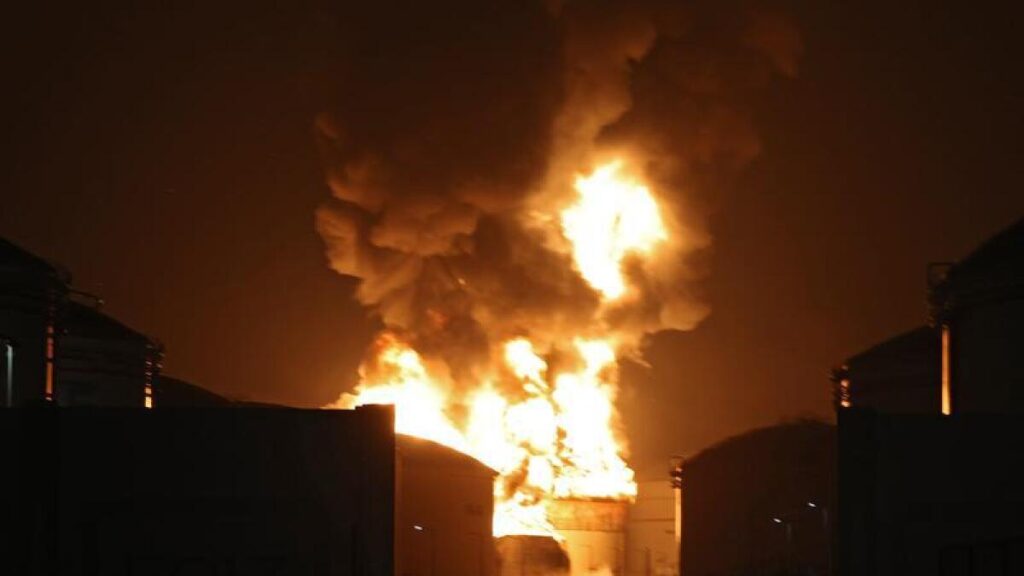
In addition to the direct military confrontations, an explosion off the coast of Kuwait raised concerns about the safety of commercial shipping in the region. The United Kingdom Maritime Trade Operations Centre reported on October 4, 2023, that a tanker appeared to be attacked, although the cause remains unclear.
The Strait of Hormuz, a vital conduit for approximately 20% of the world’s oil, has become increasingly perilous due to Iranian military actions. Previous incidents of attacks on vessels in the Gulf of Oman and the Strait have raised alarm among international shipping operators.
As a direct consequence of the conflict, oil prices have surged, exacerbating fears of a global economic slowdown. Stock markets have reacted negatively to the rising prices, indicating the broader implications of the conflict on the world economy.
In the face of these developments, the US government remains resolute. On October 4, 2023, President Donald Trump praised the US military’s efforts, stating they are “doing very well on the war front, to put it mildly.” Meanwhile, fellow Republicans in the US Senate demonstrated their support for ongoing military actions by voting against a resolution aimed at halting the war.
As the situation continues to unfold, the international community watches closely, aware that the ramifications of this conflict may extend far beyond the immediate region.