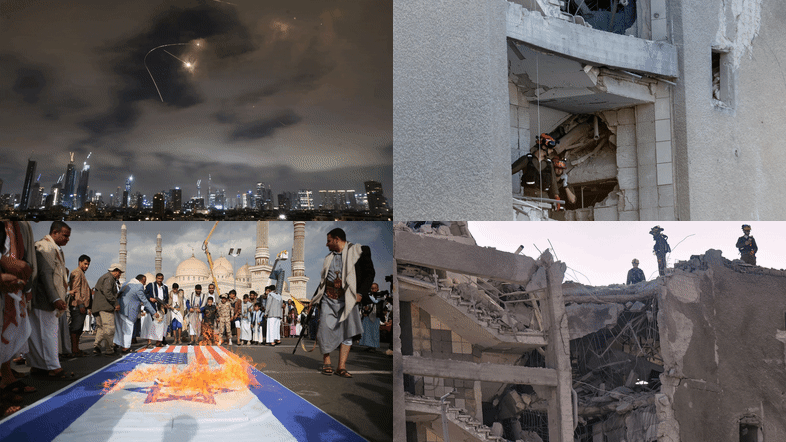
The Iranian army has pledged to protect strategic infrastructure and public property as widespread protests continue to challenge the clerical establishment. In a statement, the military urged citizens to thwart what they described as “the enemy’s plots,” coinciding with renewed warnings from U.S. officials, including former President Donald Trump and Secretary of State Marco Rubio, who expressed support for the Iranian people’s struggle.
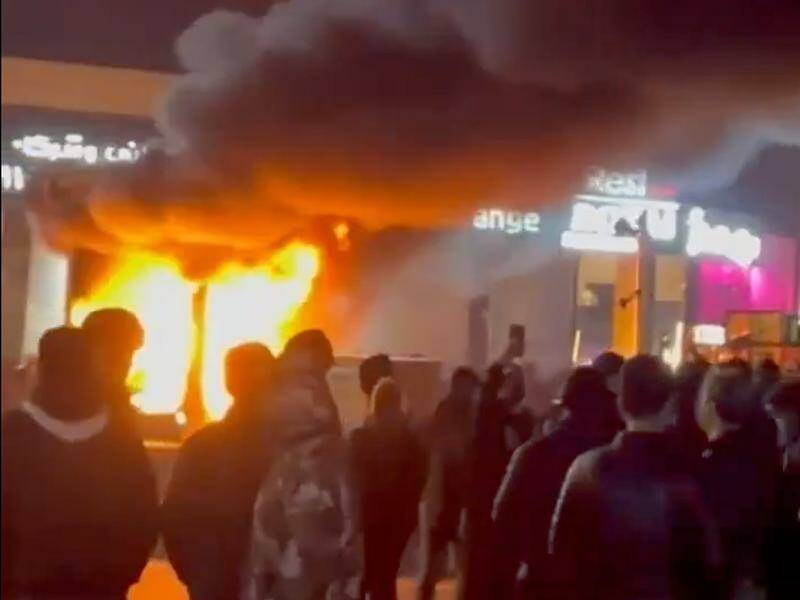
Protests erupted across Iran in late December 2024, initially sparked by soaring inflation but quickly evolving into calls for political change. The unrest has resulted in violence, with state media reporting that a municipal building was set ablaze in Karaj, west of Tehran. The government has attributed this incident to “rioters” and has imposed an internet blackout to control the situation.
Witnesses in western Iran reported that members of the Islamic Revolutionary Guard Corps (IRGC) were deployed and opened fire on protesters. The IRGC, an elite military force, operates separately from the regular army and has been instrumental in quelling past uprisings. Both forces are under the command of Supreme Leader Ayatollah Ali Khamenei.
In a statement, the Iranian military accused Israel and “hostile terrorist groups” of seeking to destabilize the country. They assured the public that they would safeguard national interests and infrastructure: “The army, under the command of the supreme commander-in-chief, together with other armed forces, will resolutely protect and safeguard national interests,” the statement read.
As the protests spread, Iranian rights groups reported at least 65 fatalities, including 50 protesters and 15 security personnel, as of January 9, 2025. Over 2,500 individuals have been arrested, reflecting the government’s increasingly aggressive stance against dissent. The unrest has led to fractured opposition, with Reza Pahlavi, the son of Iran’s last shah, emerging as a notable figure rallying support from abroad. In a recent message on social media platform X, Pahlavi urged protesters to prepare for a more significant uprising, calling on workers in key sectors, such as transportation and energy, to commence a nationwide strike.
Trump, who previously ordered military action against Iran, reiterated his warning to Iranian leaders, stating, “You better not start shooting because we’ll start shooting too.” He expressed concern for the safety of protesters, labeling the situation in Iran as “very dangerous.”
While some protesters have expressed support for Pahlavi, many chants focus on ending clerical rule and addressing the economic turmoil exacerbated by international sanctions and recent military conflicts. In a stark response to the unrest, Khamenei accused demonstrators of acting on behalf of foreign interests, asserting that Tehran would not tolerate “mercenaries for foreigners.”
The Iranian clerical establishment has faced significant challenges in recent years, including various protests over economic hardships and political grievances. Despite past resilience during events such as the 1999 student protests and the 2019 demonstrations against economic policies, the current unrest appears to have revealed vulnerabilities within the government, particularly in light of the ongoing economic crisis.
In solidarity with the Iranian people, Australia, Canada, and the European Union issued a joint statement condemning the violence against protesters and commending their bravery. As the situation evolves, the international community closely monitors Iran’s response to the ongoing unrest and the implications for regional stability.