


Air and ground strikes by Thailand on March 25, 2024, targeted a casino and an alleged drone base in Cambodia, resulting in the deaths of four individuals. This incident marks a significant escalation in ongoing tensions between the two nations, which share an 820-kilometre border. According to Thai military sources, the airstrikes were a response to an earlier attack by Cambodian troops that left eight Thai soldiers wounded and claimed the life of one soldier.
The hostilities erupted amid accusations from both sides of violating a fragile ceasefire, partially brokered by former US President Donald Trump in late 2023. Thailand’s military spokesperson, Major General Winthai Suvaree, described the casino as a “command centre for drones” allegedly used for storing heavy weaponry and munitions. This facility has also been linked to various scam operations in the Mekong region.
Escalation of Military Objectives
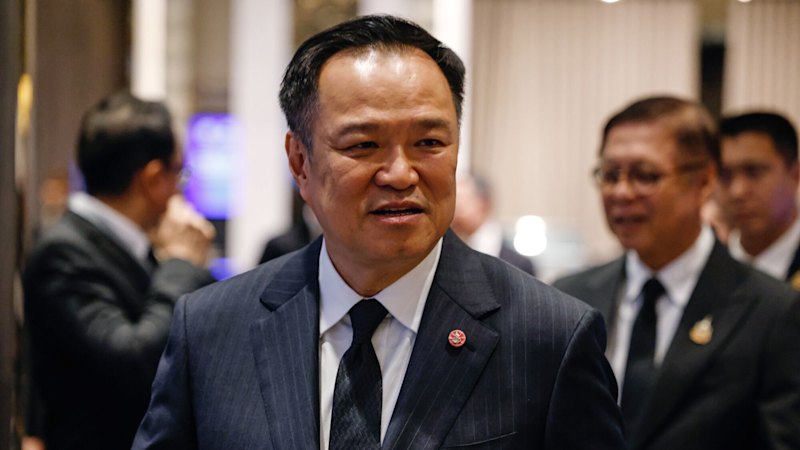
Following the airstrikes, General Chaiyapruek Duangprapat, the Thai army’s chief of staff, outlined a new objective aimed at crippling Cambodia’s military capabilities. Anutin Charnvirakul, Thailand’s Prime Minister, emphasized in a televised address that “Thailand has never wished for violence” and reaffirmed the nation’s stance against any violations of its sovereignty. He stated, “I’d like to reiterate that Thailand has never initiated a fight or an invasion.”
In contrast, Cambodian authorities have accused Thailand of instigating the conflict. Maly Socheata, a spokesperson for the Cambodian Defence Ministry, asserted that Thailand launched the initial attack and urged an immediate cessation of hostilities to preserve regional peace and stability.
The ongoing conflict has prompted significant humanitarian concerns, with over 50,000 people in Thailand evacuated to shelters. Multiple hospitals in the eastern Ubon Ratchathani province have closed, and residents near the border have fled their homes due to escalating violence. Similar evacuations have occurred in Cambodian villages situated in high-risk zones.
Historical Context and Future Implications
This latest round of clashes is the most severe since a five-day standoff in late 2023 that resulted in the deaths of 48 individuals and displaced approximately 300,000 people. The tensions were initially sparked by differing interpretations of a colonial-era map from 1907. Following the violence, both countries signed the Kuala Lumpur Peace Accord in October 2023, which was meant to de-escalate tensions but failed to address the underlying issues.
Mu Sochua, the head of the opposition Khmer Movement for Democracy, commented from Paris that the conflict is deeply rooted in centuries-old grievances. She remarked, “You can’t just pull two boxers away from each other and say stop fighting – they’re still in the ring.” The fragile peace has been repeatedly tested, with Thailand announcing in February 2024 that it would suspend the agreement after its troops were injured by landmines.
Experts have noted the complexity of resolving this territorial dispute, rooted in colonial legacies. Tita Sanglee, an associate fellow at the Iseas-Yusof Ishak Institute, highlighted the need for long-term solutions that require genuine compromises from both nations. With rising nationalistic sentiments complicating the situation, opportunities for diplomacy appear increasingly limited.
On March 25, Malaysian Prime Minister Anwar Ibrahim, who played a role in brokering the original ceasefire, called for restraint from both Thailand and Cambodia. As the current chair of the Association of Southeast Asian Nations, he urged both countries to maintain open lines of communication and utilize existing mechanisms to prevent further escalation.
The situation remains tense, with both nations poised for potential further military action as diplomatic efforts struggle to regain momentum. The international community watches closely, as the ramifications of this conflict could extend well beyond the immediate region.