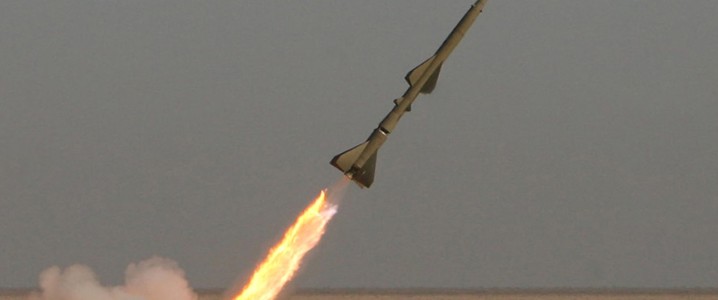




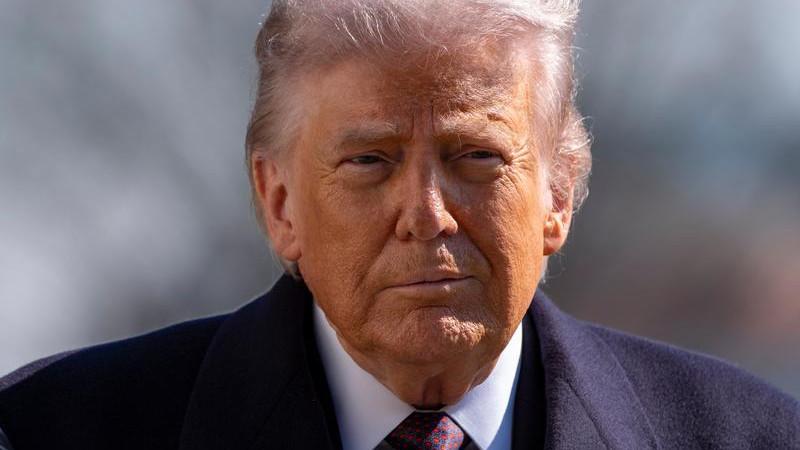
President Donald Trump asserted that Iran is developing missiles capable of reaching the United States. In a video posted on social media, Trump claimed that Iran’s missile program poses an imminent threat to the American homeland. This statement echoed remarks made during his State of the Union address on March 5, 2024. However, multiple sources indicate that this assertion lacks support from U.S. intelligence.
According to information obtained by CNN, the claim that Iran could soon possess intercontinental ballistic missiles (ICBMs) is not substantiated by current intelligence assessments. An unclassified report from the Defence Intelligence Agency (DIA) suggested that while Iran could potentially develop a militarily viable ICBM by 2035, there is no indication that Tehran is actively pursuing such a program at present. Despite this, Iran does have short-range ballistic missiles that could endanger U.S. military bases and personnel in the region.
The White House responded to the controversy with spokesperson Anna Kelly emphasizing the seriousness of the situation, stating, “President Trump is absolutely right to highlight the grave concern posed by Iran, a country that chants ‘death to America,’ possessing intercontinental ballistic missiles.”
Intelligence Briefings and Iranian Denials
Discussions regarding Iranian missile technology did not arise during a briefing with Secretary of State Marco Rubio, CIA Director John Ratcliffe, and congressional leaders earlier this week. Sources familiar with the briefing indicated that there were no updates regarding Iran’s aspirations for ICBMs. In contrast, Iranian Foreign Minister Abbas Araghchi stated in a recent interview that Iran is not developing long-range missiles, explaining that the country has intentionally limited its missile range to 2,000 kilometers for defensive purposes.
In response to Trump’s claims, Rubio acknowledged the complexity of the situation. While he refrained from speculating on the timeline for Iran’s missile capabilities, he asserted that Iran is “certainly” working toward developing ICBMs. During a press conference in St. Kitts, he noted that the Iranian government is increasing the range of its current missiles, suggesting a trajectory toward developing weapons capable of reaching the continental United States.
Rubio expressed concerns over Iran’s unwillingness to address its ballistic missile program in recent negotiations focused primarily on nuclear issues. He highlighted that while Iran is not currently enriching uranium, the country is attempting to reach a point where it can resume enrichment.
Nuclear Program Developments
Compounding the situation, Steve Witkoff, a U.S. special envoy and key negotiator, claimed that Iran is “probably a week away from having industrial-grade bombmaking material.” This assertion contradicts the Trump administration’s previous claims that military actions had severely crippled Iran’s nuclear program.
Current intelligence indicates that Iran is making efforts to restore its enrichment capabilities. This includes the installation of additional centrifuges, reactivating those that survived military strikes, and rebuilding facilities necessary for weaponizing enriched uranium. Experts believe that while these activities are occurring, they will take significantly longer than a week to yield results.
As tensions between the U.S. and Iran continue to escalate, the international community remains watchful. The situation underscores the complex dynamics of regional security and the ongoing challenges posed by Iran’s missile and nuclear ambitions.