


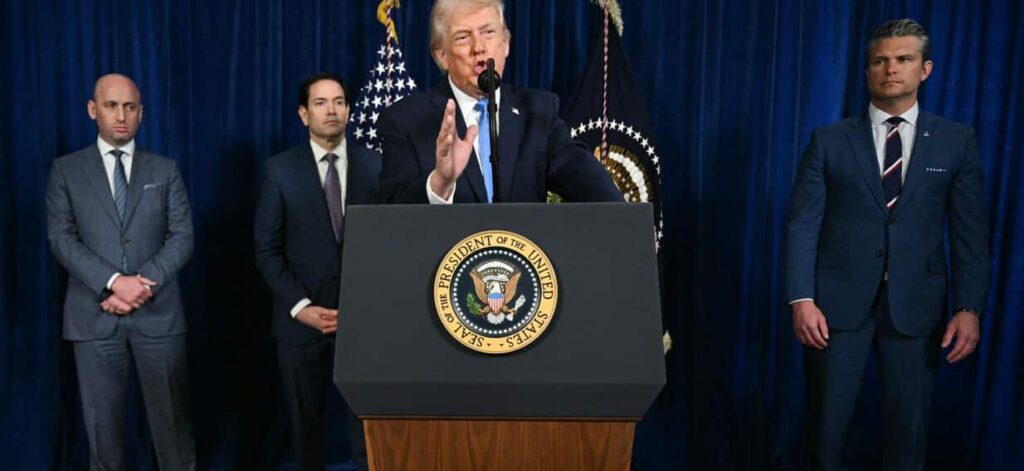
In a bold statement, U.S. President Donald Trump announced plans for regime change in Venezuela and emphasized that control over the country’s vast oil reserves is a primary goal of his administration. This declaration came during a press conference on September 25, 2023, highlighting the U.S. government’s strategic interests in the region.
Trump’s remarks underline a significant shift in U.S. foreign policy towards Venezuela, where President Nicolas Maduro has faced growing opposition amid an ongoing economic crisis. The U.S. has long criticized Maduro’s government, alleging human rights violations and corruption. By aiming to seize control of Venezuela’s oil, which is among the largest reserves in the world, the Trump administration seeks to shift the balance of power within the country.
During the conference, Trump stated, “We will run Venezuela and ensure that the oil is sold to benefit the American people.” This statement reflects the administration’s focus on energy independence and the potential economic benefits of accessing Venezuelan oil. According to estimates, Venezuela has proven oil reserves of approximately 300 billion barrels, making it a key target for foreign investment and control.
The implications of such a move are vast, affecting not only U.S. relations with Venezuela but also its standing in the Organization of the Petroleum Exporting Countries (OPEC). Analysts suggest that a change in regime could lead to a realignment of oil production and prices globally. The U.S. has previously imposed sanctions on Venezuela, aiming to cripple the Maduro administration’s revenue from oil exports, which account for a significant portion of the country’s economy.
Critics of Trump’s approach express concern about the potential for increased violence and instability in Venezuela. Humanitarian organizations warn that further interventions could exacerbate the already dire conditions faced by Venezuelans, who are suffering from shortages of food, medicine, and basic services.
The announcement has drawn mixed reactions both domestically and internationally. While some support the idea of a regime change, others fear it could lead to a prolonged conflict. The administration’s strategy appears to hinge on both diplomatic efforts and economic pressure to facilitate a transition in government.
As the situation unfolds, the global community will be closely monitoring the U.S. actions in Venezuela. The potential for significant changes in oil markets and geopolitical tensions remains a critical concern. With the stakes high, the coming months will likely determine the future of Venezuelan governance and its impact on international relations.