




Inflation in the United States showed a slight decrease last month, as prices for gas and used cars dropped, indicating a gradual easing of cost pressures. According to the Labor Department, consumer prices increased by 0.3 percent in December 2023, the same rate recorded in November. When excluding the volatile categories of food and energy, core prices rose by 0.2 percent, matching November’s figure.
Despite this modest cooling, many American households continue to grapple with rising costs for essential items such as groceries, rent, and health care. The surge in food prices, which have increased by approximately 25 percent since the onset of the pandemic, has transformed affordability issues into significant political topics.
The December report represents the first clear indication of inflation since September, due to a six-week government shutdown that halted the collection of price data. Consequently, the government did not publish a report in October, and the figures for November were affected by this disruption. Economists noted that most of the data for November was collected after the government reopened, likely influenced by holiday discounts that may have artificially lowered inflation rates for that month.
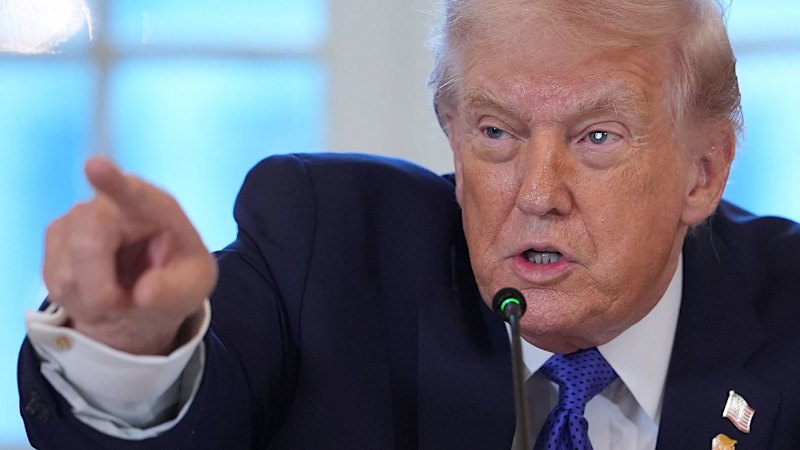
In December, consumer prices were 2.7 percent higher than a year earlier, the same rate as in November, while core prices remained unchanged at 2.6 percent. Although inflation has drastically decreased from a peak of 9.1 percent in June 2022, it has remained stubbornly close to 3 percent since late 2023. The persistent rise in the cost of necessities has contributed to growing dissatisfaction with the economy, prompting responses from both President Joe Biden and former President Donald Trump, though with limited effectiveness.
The Federal Reserve faces a challenging task of controlling inflation while supporting job growth. The central bank has maintained higher borrowing costs to tackle inflation but may be hesitant to significantly cut interest rates as long as inflation stays above its target of 2 percent. The Fed reduced its key interest rate by a quarter-point in December, but Chair Jerome Powell indicated that further cuts may be on hold as the economy evolves.
For months, the Federal Reserve’s interest-rate setting committee has been divided on whether to lower rates further or maintain the current level of around 3.6 percent. Trump has publicly criticized the Fed for not implementing sharper rate cuts, claiming that such moves would lower mortgage rates and ease government borrowing costs. Nevertheless, the Fed does not directly control mortgage rates, which are influenced by market conditions.
Further complicating the Fed’s ability to combat inflation, the Department of Justice served subpoenas related to Powell’s testimony in June concerning a $2.5 billion renovation of two Federal Reserve office buildings. Trump administration officials have accused Powell of misleading Congress regarding alterations to the renovation plans. In a response to these allegations, Powell described them as “pretexts” aimed at exerting political control over the Federal Reserve.
“The threat of criminal charges is a consequence of the Federal Reserve setting interest rates based on our best assessment of what will serve the public, rather than following the preferences of the President,” Powell stated. He emphasized the importance of maintaining monetary policy driven by economic evidence rather than political pressure.