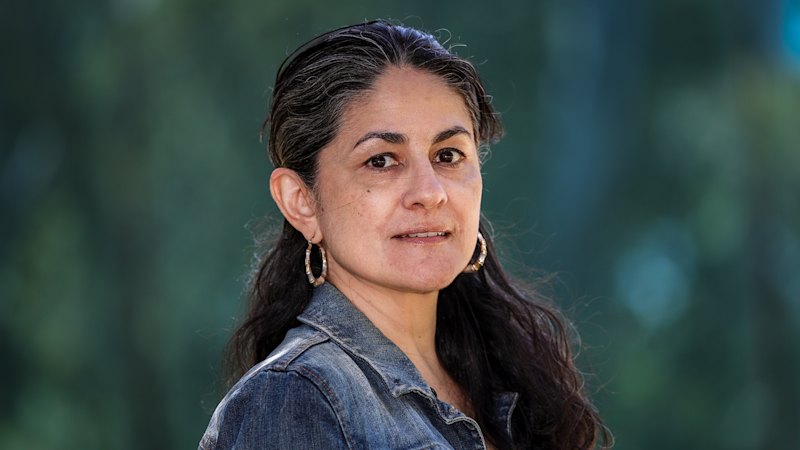
The recent capture of ousted Venezuelan leader Nicolás Maduro by U.S. troops in a high-stakes operation in Caracas has sparked celebrations among many in the Venezuelan diaspora. For individuals like Fabiola Campbell, who has witnessed the profound hardships inflicted by Maduro’s regime, this moment represents a potential turning point for her home country.
Campbell, now residing in Melbourne, Australia, recalls the dire conditions in Venezuela. She describes patients dying in hospitals due to a lack of access to essential medications and treatments. Basic goods, such as eggs, soap, and toilet paper, have become luxuries, while daily blackouts spoil the limited food supplies available. Fuel shortages have led to multi-day queues for those trying to keep generators running. She notes, “Venezuelans have been robbed of the life they deserved.”
Her brother, a university lecturer, survives on the equivalent of $4.50 a month, living with their father and brother, both doctors, unable to afford their own accommodation. During a visit to Venezuela a few years ago, Campbell struggled to find her asthma medication, despite her father’s connections as a doctor. The news of Maduro’s capture, received on her phone over the weekend, brought her a sense of relief after years of suffering under a regime characterized by corruption and mismanagement.
“I feel that we were robbed of the life that we deserved,” Campbell stated, reflecting on the impact of Maduro’s leadership. Having moved to Australia two decades ago, she has family scattered across the globe, while some relatives remain in Venezuela. Although she did not initially seek foreign intervention, the worsening situation led her to believe such actions were necessary. “The means were not ideal, but they were absolutely necessary,” she added.
The capture of Maduro has ignited celebrations among Venezuelans worldwide. Many gathered to express their joy, some kissing the U.S. flag and wearing T-shirts emblazoned with images of Maduro in handcuffs. In Colombia, jubilant crowds danced in the streets, waving national flags and using phone torches to illuminate the night.
Despite the celebrations, concerns have been voiced by several nations, including Uruguay, Colombia, Brazil, and Spain, regarding the legality of the military operation and its potential implications for regional stability. Critics worry that such interventions could set a precedent for future actions in Latin America.
For many Venezuelans, the opportunity to emerge from a prolonged crisis outweighs these concerns. The exodus of nearly 8 million Venezuelans since 2014—the largest displacement crisis in modern Latin American history—highlights the urgency of addressing the dire conditions in the country. As one member of the diaspora expressed on social media, “You can’t ask someone who has lived through a dictatorship, known misery, and seen their family fragment not to feel joy about the capture of one of those most responsible for the disaster.”
While Campbell is hopeful about the future, she remains cautious. She supports plans from the Trump Administration to rebuild Venezuela’s oil industry and hopes for a democratic process that allows Venezuelans to elect their own government. Rebuilding trust in public institutions will take time, but for Campbell, this moment brings a renewed sense of hope. “For the first time in years, I feel hope,” she stated.
As the world watches the unfolding situation in Venezuela, many are left wondering how this pivotal moment may reshape the country’s future and provide an opportunity to recover from years of hardship.