


Ukrainian President Volodymyr Zelenskiy is set to visit Turkey on October 11, 2023, in a strategic effort to revive negotiations aimed at ending Russia’s ongoing war in Ukraine. This conflict has persisted since its inception nearly four years ago. Turkey previously facilitated low-level discussions between Ukraine and Russia, although significant advancements were limited to prisoner exchanges earlier this year. Despite international peace initiatives led by the United States, no breakthrough has been achieved to date.
In a statement shared via social media, Zelenskiy emphasized the urgency of the situation. “We are preparing to reinvigorate negotiations, and we have developed solutions that we will propose to our partners,” he noted, while refraining from disclosing specific details. He underlined that “doing everything possible to bring the end of the war closer is Ukraine’s top priority.”
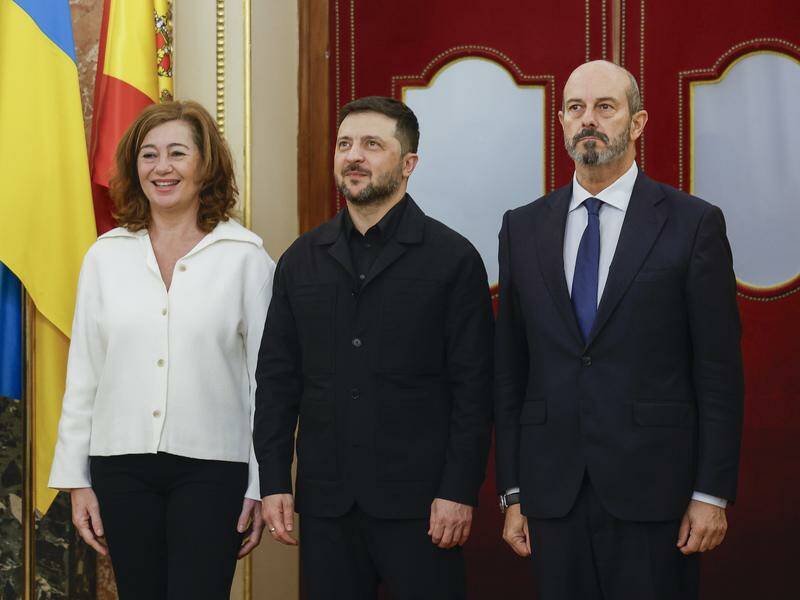
On the agenda for his Turkish visit, Zelenskiy plans to engage with senior government officials and leaders from both Ukraine’s parliament and his political party, Servant of the People. Prior to his trip to Turkey, Zelenskiy visited Spain, where he met with Spanish Prime Minister Pedro Sanchez and King Felipe VI. His engagements in Spain included discussions in the parliament and a focus on securing additional support for Ukraine.
Military Developments Amid Diplomacy
Zelenskiy’s diplomatic efforts coincide with escalating military actions on the ground. On October 9, 2023, Ukraine launched a surprise aerial assault on energy infrastructure in the eastern Donetsk region, which is under Russian control. The Russian-appointed head of the partially occupied area, Denis Pushilin, described this attack as “unprecedented,” indicating damage to two thermal power stations, leaving many residents without power. A day earlier, Pushilin reported that Ukrainian drones had targeted energy facilities, affecting around 500,000 consumers and exacerbating ongoing water shortages in the region.
In the northeastern Kharkiv region, a Russian missile strike on the town of Berestyn, located approximately 110 kilometers from the Russian border, resulted in the death of a 17-year-old girl and injuries to ten others, according to regional head Oleh Syniehubov. Additionally, in the central city of Dnipro, Russian drones ignited multiple fires on the night of October 9, injuring two individuals and damaging six residential buildings, along with the offices of Ukraine’s public broadcaster Suspilne. Fortunately, the building was unoccupied at the time.
Ukraine’s railway operator, Ukrzaliznytsia, reported that infrastructure and train cars were also affected during the Dnipro attacks. The Ukrainian Air Force indicated that Russia had launched four ballistic Iskander-M missiles, alongside 114 strike and decoy drones overnight. In a response, the Russian defense ministry announced that its air defenses successfully intercepted 31 Ukrainian drones across various regions.
As Zelenskiy embarks on this diplomatic mission, the situation remains fluid, with military dynamics continuing to evolve alongside efforts for peace. The outcome of these discussions in Turkey may hold significant implications for the ongoing conflict and the future of Ukraine.