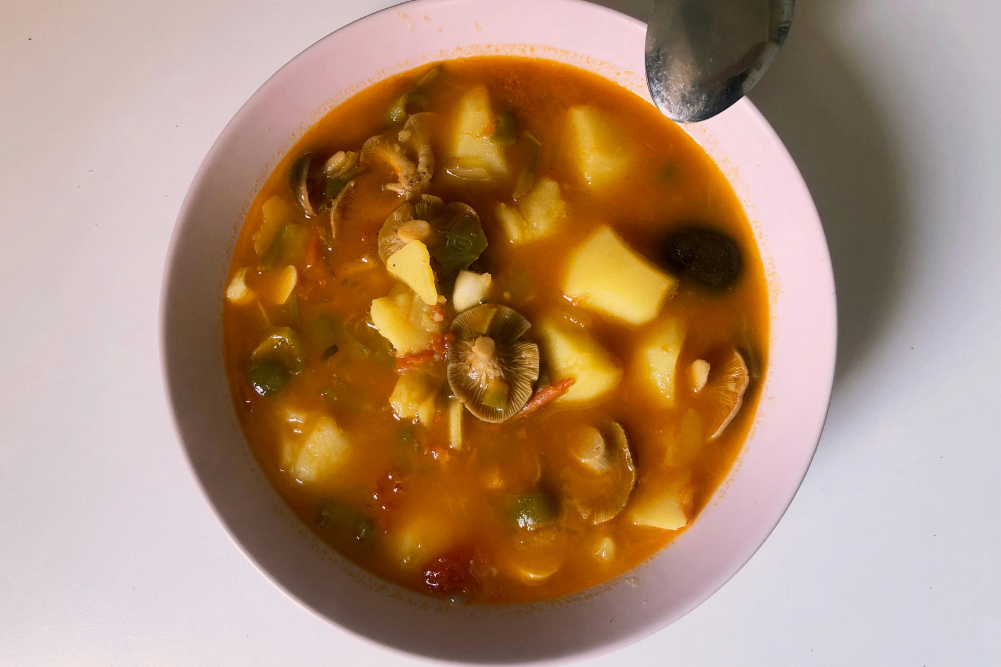
Food has an undeniable power to comfort, especially during stressful times. Recently, the concept of “hyper-fixation meals” has gained traction in wellness discussions, highlighting how certain dishes can provide emotional relief and support overall well-being. These meals, often revisited due to their familiarity and comfort, can play a significant role in managing daily stressors.
In a nutrition clinic, practitioners advocate for a diverse diet to promote optimal gut health. However, the idea of returning to a favorite meal, particularly during busy periods, can bring a sense of reassurance. Many clients find themselves gravitating towards these hyper-fixation meals when faced with decision fatigue or overwhelming schedules. The science behind this phenomenon reveals that repetitive meals can simplify life when unpredictability prevails.
Research indicates that eating the same meal regularly can offer an anchor amid chaos. By eliminating the need to decide what to prepare, individuals can streamline grocery shopping and cooking processes. This pattern not only conserves time but also reduces stress, allowing for a reassuring sense of control.
Neurodivergent individuals, including those with conditions like ADHD and autism, often find comfort in hyper-fixation meals. The connection stems from sensory sensitivities, where familiar tastes and textures can soothe and prevent overstimulation. A repetitive eating routine can lessen the stress associated with executive functioning, creating a small oasis in an often chaotic world. Additionally, the anticipation and enjoyment of these meals trigger a dopamine response, reinforcing their emotional significance.
For those concerned about the lack of dietary variety, evidence supports the benefits of including a range of foods for gut health. A diverse diet can help prevent food boredom and potential intolerances. Yet, a complete dietary overhaul is unnecessary; even minor adjustments, such as rotating vegetables or proteins in a staple dish, can enhance variety without overwhelming one’s routine.
Emotional balance is a crucial aspect of well-being that extends beyond mere nutritional calculations. Embracing comforting meals, such as a nourishing Roasted Vegetable Soup, can be both grounding and restorative. The key lies in self-compassion and the ability to indulge in comfort foods during demanding times while gradually reintroducing diversity as routines become tiresome.
Recipe for Roasted Vegetable Soup
This recipe serves 4-6 and combines a variety of ingredients to create a flavorful and comforting dish:
– 2 tablespoons olive oil
– 1 brown onion, quartered
– 4 whole garlic cloves
– 2 shallots, chopped
– 1 knob of ginger, peeled
– 1 leek, roughly chopped
– 3 carrots, chopped
– 1 butternut pumpkin, diced
– 2 parsnips, diced
– 1 cauliflower, chopped
– 3 zucchinis, chopped
– 1 heaped teaspoon spice mix (including paprika, cumin, coriander, thyme, parsley, basil, and oregano)
– 1 teaspoon bagel seasoning
– Sea salt and black pepper to taste
– 2 liters vegetable stock
– 1 tablespoon coconut aminos or wheat-free tamari
To prepare the soup, place all chopped ingredients into two baking dishes lined with baking paper. Drizzle with olive oil and sprinkle with herbs and seasoning. Bake at 200°C for 45 minutes, stirring halfway through. Once cooked, mix the vegetables in a large bowl. Blend half of the mixture with 1 liter of stock and coconut aminos, then pour into containers. Repeat with the remaining ingredients.
This comforting dish not only satisfies hunger but also serves as a reminder of the therapeutic power of food. Embracing hyper-fixation meals can be an effective strategy for enhancing well-being, facilitating self-care, and fostering emotional resilience.