


Ukraine’s sports minister has expressed strong disapproval of the International Paralympic Committee’s (IPC) recent decision to permit six athletes from Russia and four from Belarus to compete under their national flags at the upcoming Winter Paralympics. Matvii Bidnyi characterized the decision as “disappointing and outrageous,” underscoring the broader implications for international sporting integrity.
In a statement issued on Monday, Bidnyi articulated that “the flags of Russia and Belarus have no place at international sporting events that stand for fairness, integrity, and respect.” He argued that these nations have transformed sports into instruments of war and propaganda, particularly in the context of Russia’s ongoing military actions in Ukraine.
Bidnyi specifically highlighted the troubling relationship between Russian Paralympic athletes and the state, noting that they are celebrated within a regime that has waged war on Ukraine. “In Russia, Paralympic sport has been made a pillar for those whom [President] Putin sent to Ukraine to kill,” he stated. His comments reflect a significant concern regarding the message sent when Russian and Belarusian athletes are represented on the global stage.
IPC’s Decision Sparks Controversy
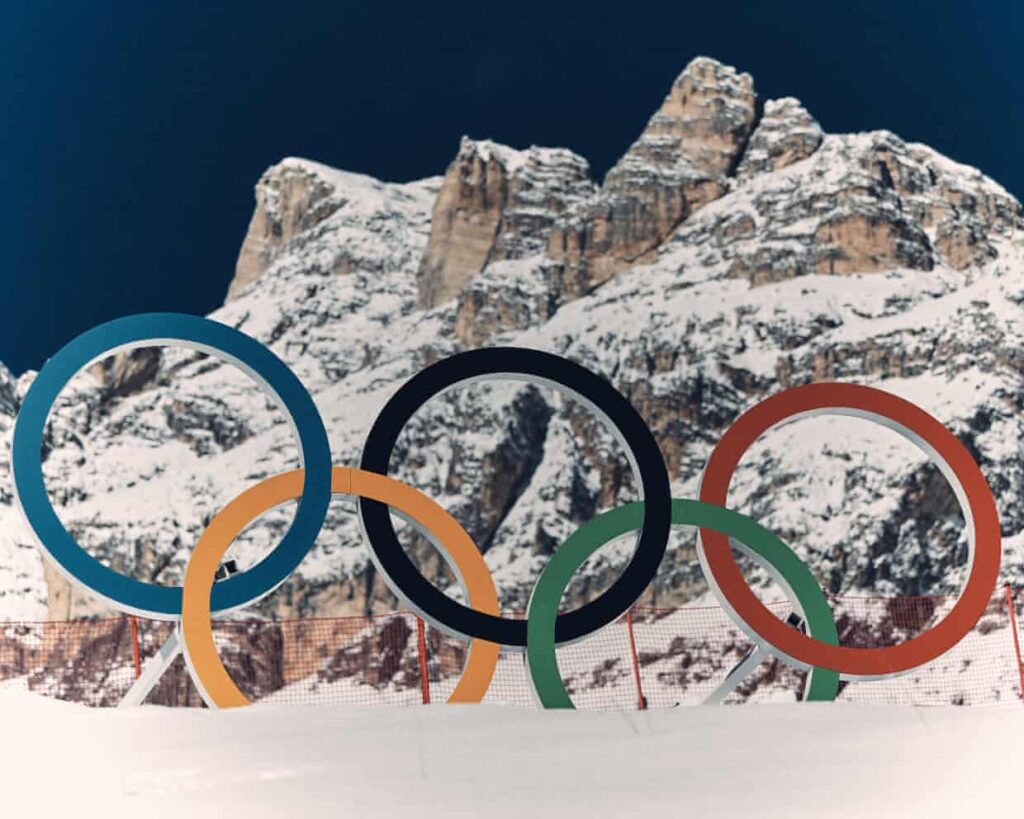
The IPC had previously imposed a ban on Russian athletes following the state-sponsored doping scandal that marred the 2014 Sochi Olympics. This ban was lifted in September 2023, allowing athletes from both nations to compete again. The decision has been met with widespread criticism, particularly from Ukrainian officials. Bidnyi urged the IPC to reconsider its stance ahead of the Games, which are set to begin on March 6, 2024, in Milano Cortina.
He emphasized the problematic nature of providing a platform for athletes who glorify warfare, stating, “Giving them a platform means giving a voice to war propaganda.” Bidnyi’s remarks echo broader sentiments among those who view the IPC’s decision as a tacit endorsement of Russia’s aggressive actions in Ukraine.
Compounding the controversy, the Russian news agency Tass reported that notable athletes, including Aleksey Bugaev, a three-time Paralympic champion in alpine skiing, have received invitations to the Games. Bugaev, along with fellow athletes Ivan Golubkov and Anastasiia Bagiian, has recently returned to competition and won World Cup titles, raising concerns that the Russian national anthem may be played during the event.
Calls for Reconsideration
The backlash against the IPC’s decision has extended beyond sports officials. UK Culture Secretary Lisa Nandy also criticized the choice, stating it sends “a terrible message” while the conflict in Ukraine persists. Nandy took to social media to express her disappointment, asserting that the IPC should “reconsider this decision urgently.”
In a show of support for Ukrainian athletes, the owner of football club Shakhtar Donetsk announced a donation of over $200,000 to skeleton racer Vladyslav Heraskevych. Heraskevych faced disqualification from the Winter Olympics for attempting to wear a “helmet of memory,” which commemorates the 24 athletes who lost their lives in the conflict with Russia. This donation is equivalent to the prize money awarded to Ukrainian athletes for winning a gold medal at the Games.
As the situation unfolds, both the actions of the IPC and the responses from Ukrainian officials highlight the intricate intersection of sports and politics in a time of conflict. The upcoming Winter Paralympics will not only showcase athletic prowess but will also serve as a platform for ongoing discussions about national representation and the values upheld by international sporting bodies.