




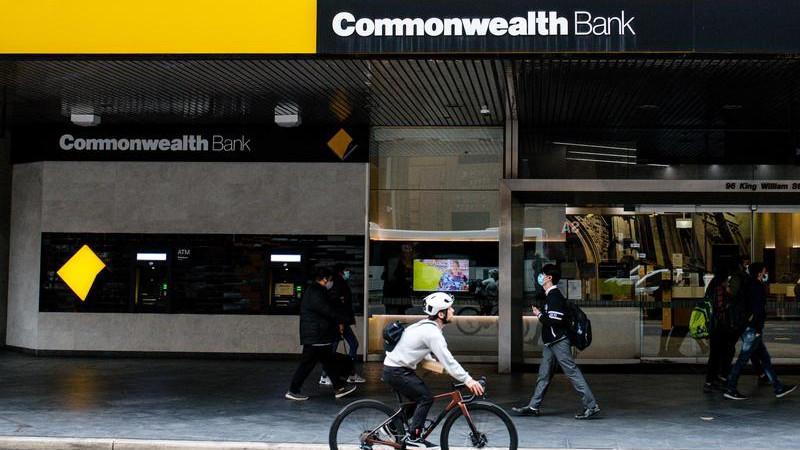
Commonwealth Bank has alerted authorities to a potential mortgage fraud scheme estimated at over $1 billion. The bank’s decision to report itself to police stems from a significant increase in suspicious loan applications, some of which are believed to involve documents generated using artificial intelligence. If confirmed, this case could become the largest fraud incident involving one of Australia’s major financial institutions.
The alarming rise in fraudulent activity has been attributed to organized hacking groups that leverage data stolen from significant breaches of the past few years. According to Luke Irwin, a cybersecurity expert from Aegis Cybersecurity, these groups have compiled personal information from breaches involving large companies such as Optus, Medibank, Latitude, and Qantas.
“They collect and collate the data from previous breaches and use it to create fake identities and fraudulent loan applications,” Irwin explained. “They can run this data through AI tools to generate documents that appear authentic, such as pay slips or bank statements.”
The types of stolen data include vital personal details such as names, addresses, phone numbers, and dates of birth, which are essential for fabricating convincing identities. This situation is not isolated; NAB was reportedly defrauded by a syndicate in a similar incident last year, losing approximately $150 million.
Irwin pointed out that these incidents highlight broader issues concerning lending processes and risk management within the banking sector. “There is constant pressure on these organizations to expedite decision-making,” he said. “This often leads to a reduction in cybersecurity governance processes, which can inadvertently increase vulnerability.”
To combat these threats, banks must adopt more robust verification practices. Irwin suggested direct communication with employers to verify the authenticity of pay slips and to confirm that applicants are who they claim to be. “The challenge is that the fraudulent documents produced by these hackers are nearly indistinguishable from legitimate ones,” he warned.
He emphasized the necessity for banks to not only implement advanced technology to detect fraud but also to ensure their staff are adequately trained to identify potential issues. “While banks are increasingly integrating artificial intelligence into their operations, so too are criminals, making vigilance and early detection critical in preventing fraud,” Irwin added.
As Commonwealth Bank navigates this troubling situation, the implications for the entire banking sector are significant. Enhanced security measures and a commitment to thorough verification processes may be essential steps in safeguarding against future incidents of this nature.
